Every year brings more music than could fit nearly into a top ten, and it’s been that way ever since the tools of production and distribution migrated into people‘s homes in the new millennium. A top ten these days might be best considered a guide to what feels most urgent at a particular point in time, or that happens to resonate with other themes of the era. The striking thing about the current moment is that, perhaps because of the many ways that music can be distributed, there are not just more albums that could fit into a top ten, but simply more types or forms of albums: you could do a top ten of field recordings, jams on self-made instruments, fingerpicking guitar exercises, lo-fi drum machine workouts, etc. All these things and more are now documented and might strike a chord.
Many albums seemed to fall outside the kind of top ten that I did for The Wire than in previous years through no fault of their own. So here’s ten that didn‘t find a place, because they were not quite so present in my mind, or seemed out of the flow of the year – which maybe makes them all the more intriguing
Francis Plagne Into Closed Air (Bison)
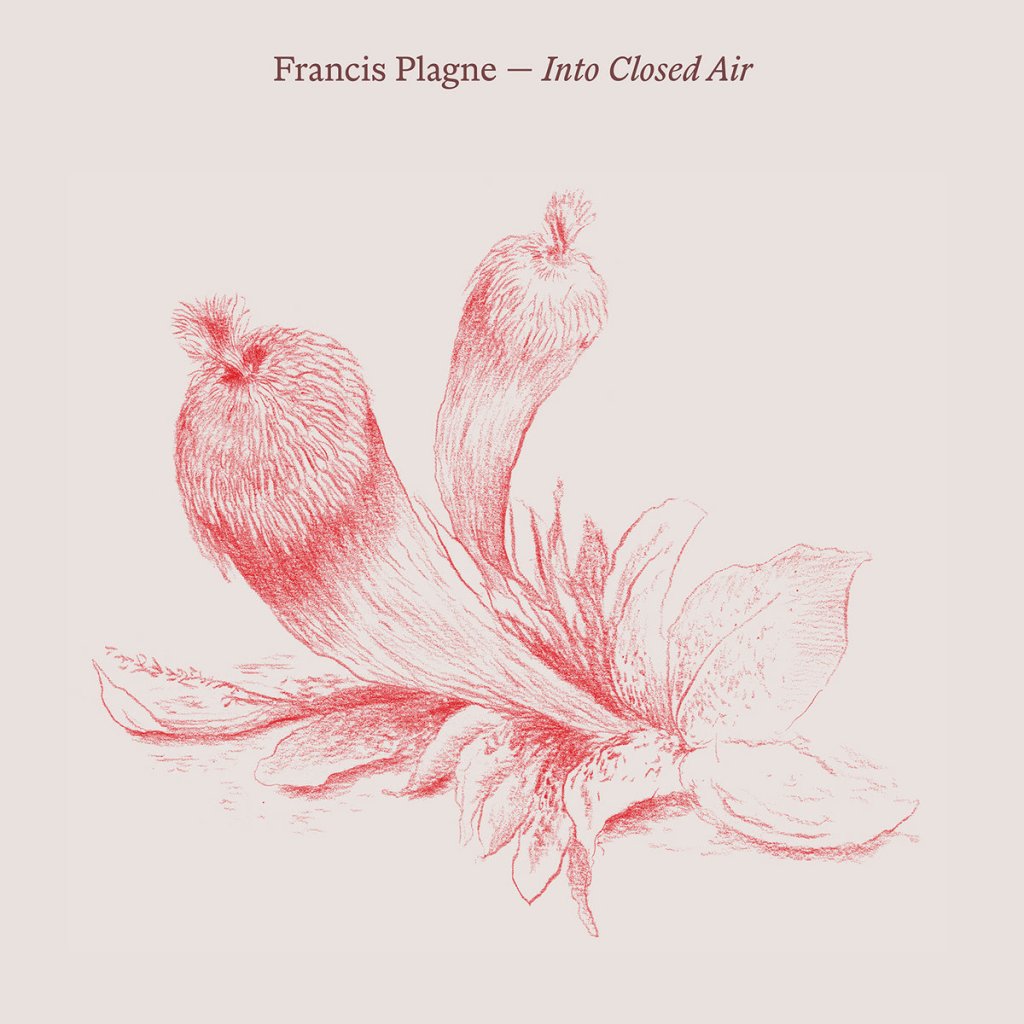
Australia’s Francis Plagne’s work constantly surprises in its movement from fragile songs to radical sound experiments. But Into Closed Air was maybe his most remarkable achievement, a collection of aching longform songs created from modular pieces that tessellated beautifully whichever way they fell. It scratched similar itches to some of Jim O’Rourke’s work or Tara Clerkin Trio, or looking further back Fiery Furnaces’ ambitious projects or even Smile.
Ori Barel Alkaline River (Unseen Worlds)
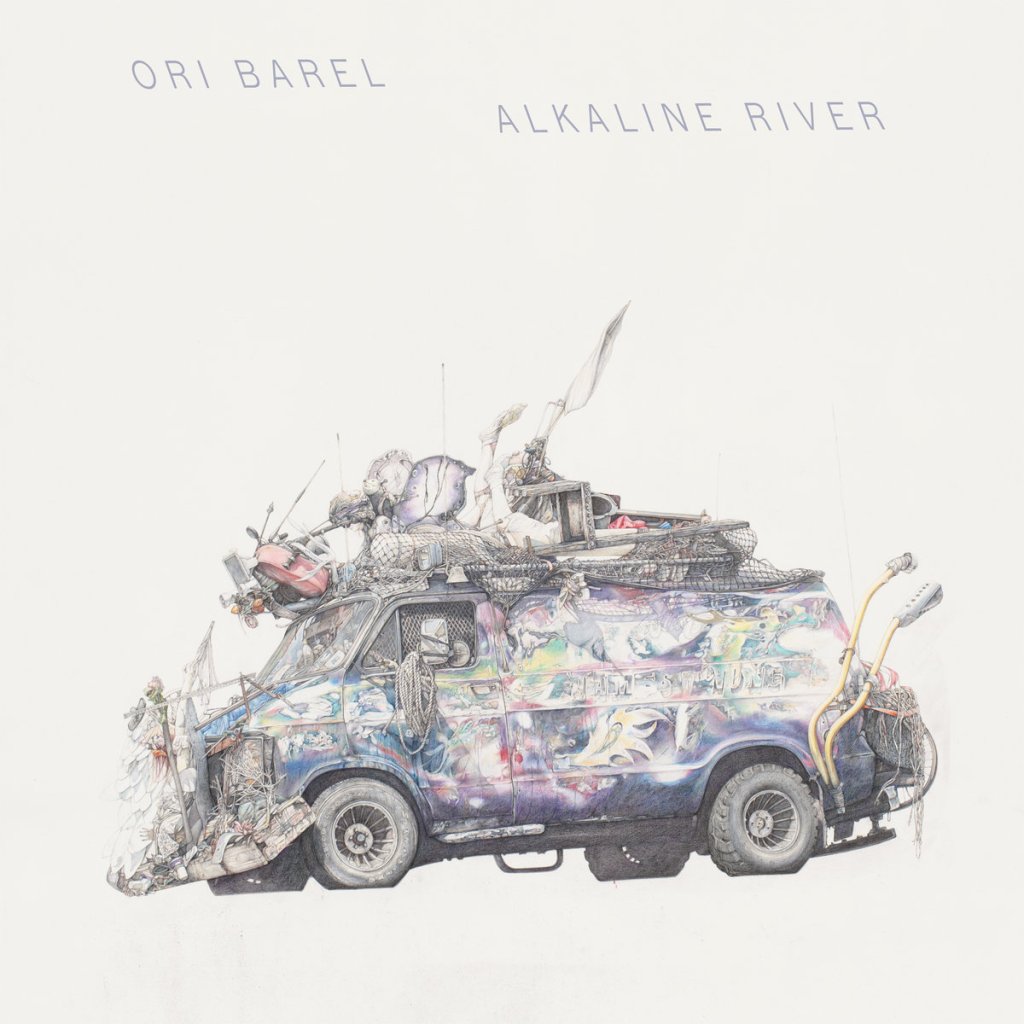
This came out of nowhere, or at least that’s how it seemed. Composer Ori Barel created small shards of repeating phrases that, arranged together, evoked the kind of hyperrealist overload of Carl Stone or Noah Creshevsky, with a kind of melodic precision that couldn‘t help but recall the electronica of The Black Dog. It fitted perfectly into the postmodern style of the Unseen Worlds label, and yet, tantalisingly, didn’t.
Peter Wood Inventa O Folklore Do Cacém (Nervosa)

Peter Wood is a guitar player and ethnomusicologist based in Lisbon, Portugal. The translation of the title suggests the folklore of Cacém is an invention in some way, but these fingerpicking guitar meditations are solid and soulful no matter what their genesis. In a crowded field of guitar players it made a distinctive mark.
Sarah Terral Le Morfil (three:four)
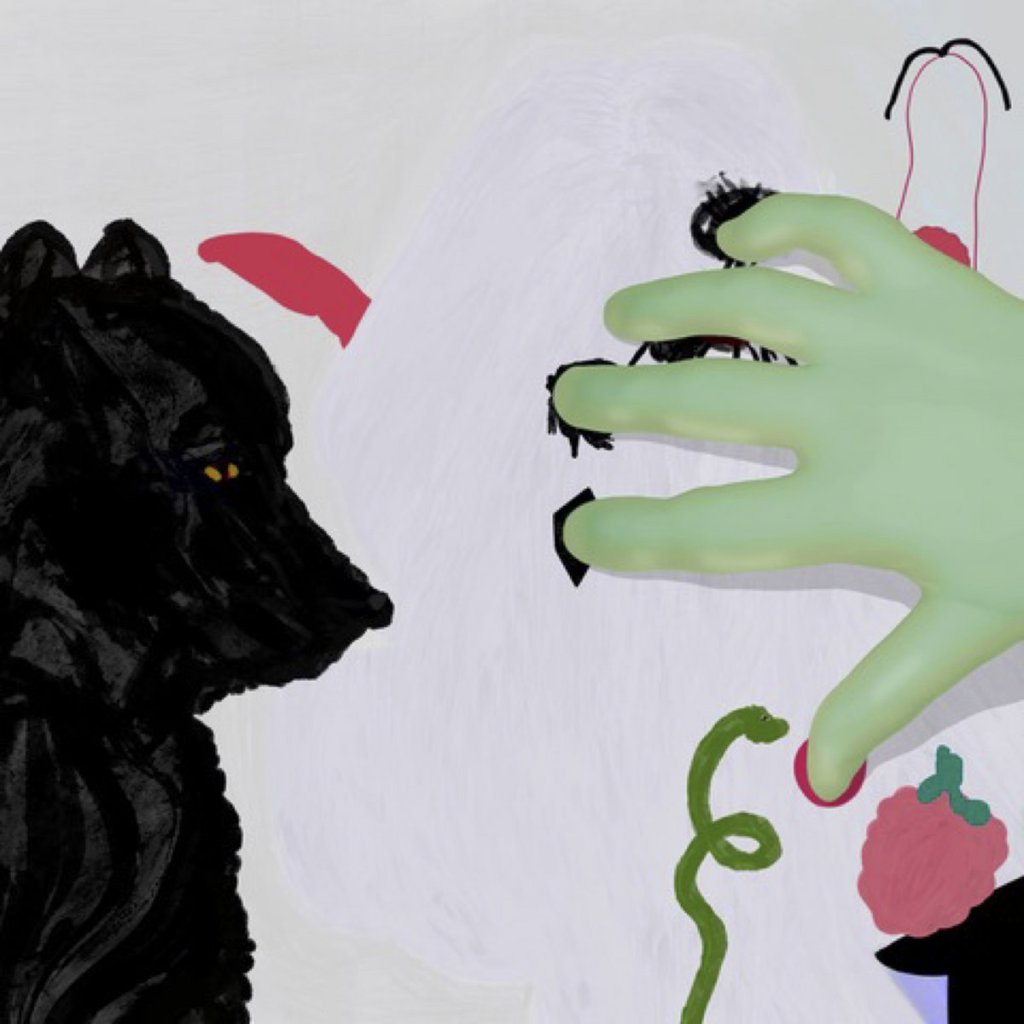
These modular synthesizer recordings by Clément Vercelletto of French project Orgue Agnès (working under the name Sarah Terral) were playful, poetic, intuitive, intimate, and a striking contrast with most music made with such means. There were echoes of the small-scale universes of Finnish DIY musicians like Es and Kemialliset Ystävät.
Eiko Yamada Labyrinth (NurNichtNur)

These performances on tenor and bass recorders were (very) short but revelatory, recorded beautifully and creating a meditative space where background and foreground felt in sublime harmony.
Ajítẹnà Habitar As Coisas (Brava)
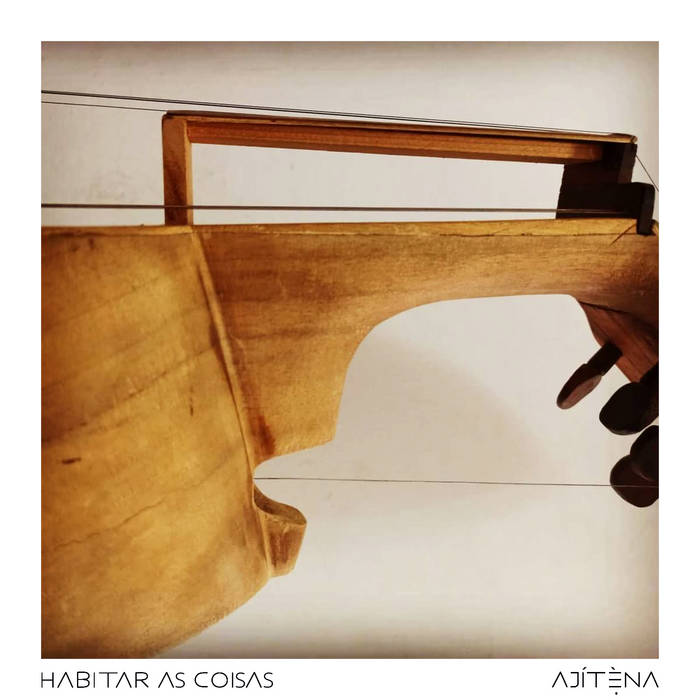
Ajítẹnà Marco Scarassatti played a self-made invented instrument, a pássaro cocho, on these spacious improvisations made in Basel, released on the Brazilian label Brava. They are open, exploratory, forensic, sometimes furious, somewhere between improvisation and composition and sound poetry, but certainly as completely immersed in the moment as anything else I heard this year.
Tholos Gateway Tholos Gateway II (Don’t Sit On My Vinyl!/Bandcamp)
A modest 2022 release which received a physical edition this year, Tholos Gateway’s second album continued to map out a territory between metal and free improvisation that few traverse. Àlex Reviriego, Vasco Trilla and Colin Marston expertly milk the tension of never knowing quite what might happen next. Recorded in Portugal, Marston also runs a studio over in New York.
Baldruin Relikte Aus Der Zukunft (Buh)

One of the most exciting small scenes to emerge in recent years was documented on the Gespensterland compilation released by Bureau B, which featured musicians scattered around the middle of Germany from Würzburg across to Wiesbaden and Frankfurt (reviewed for The Wire here). Johannes Schebler’s work as Baldruin is one of the more distinctive voices to emerge from this fertile area, using electronic and acoustic instruments in mesmerising small-scale sound constructions. You can read more about his art here.
Moniek Darge & Vanessa Rossetto, Dream Soundies (Erstwhile)

Moniek Darge’s ‘soundies’ – which move between site-specific recordings, mediations and poetic interpretations – are a distinctive take on creative sound work that‘s come into sharper focus over the last few decades. The Belgian artist found an ideal foil in Vanessa Rossetto, who uses field recording as a storytelling medium which accentuates the emotional affect of everyday life.
Allan Gilbert Balon So Lo Piano Works Vol 1 (Wry Press/Séance Centre)

Singular freeform piano sketches from Southern France apparently by way of Guadeloupe. His work does not fit nearly into any genre, but there’s a sense of pattern and phrasing that feels highly personal. It reminds a little of the work of Derek Baron, or more obliquely, the Belgian composer Dominique Lawalrée. You can find out more about his work at his website
Some of these releases can be found at fine labels like Bison, Unseen Worlds, three:four, Brava, Buh and Erstwhile over at Bandcamp
 Slow Motion